Ashley Thompson, Renia Kagkou
Investigating and visually narrating the exploitations of wild fisheries in the Pacific
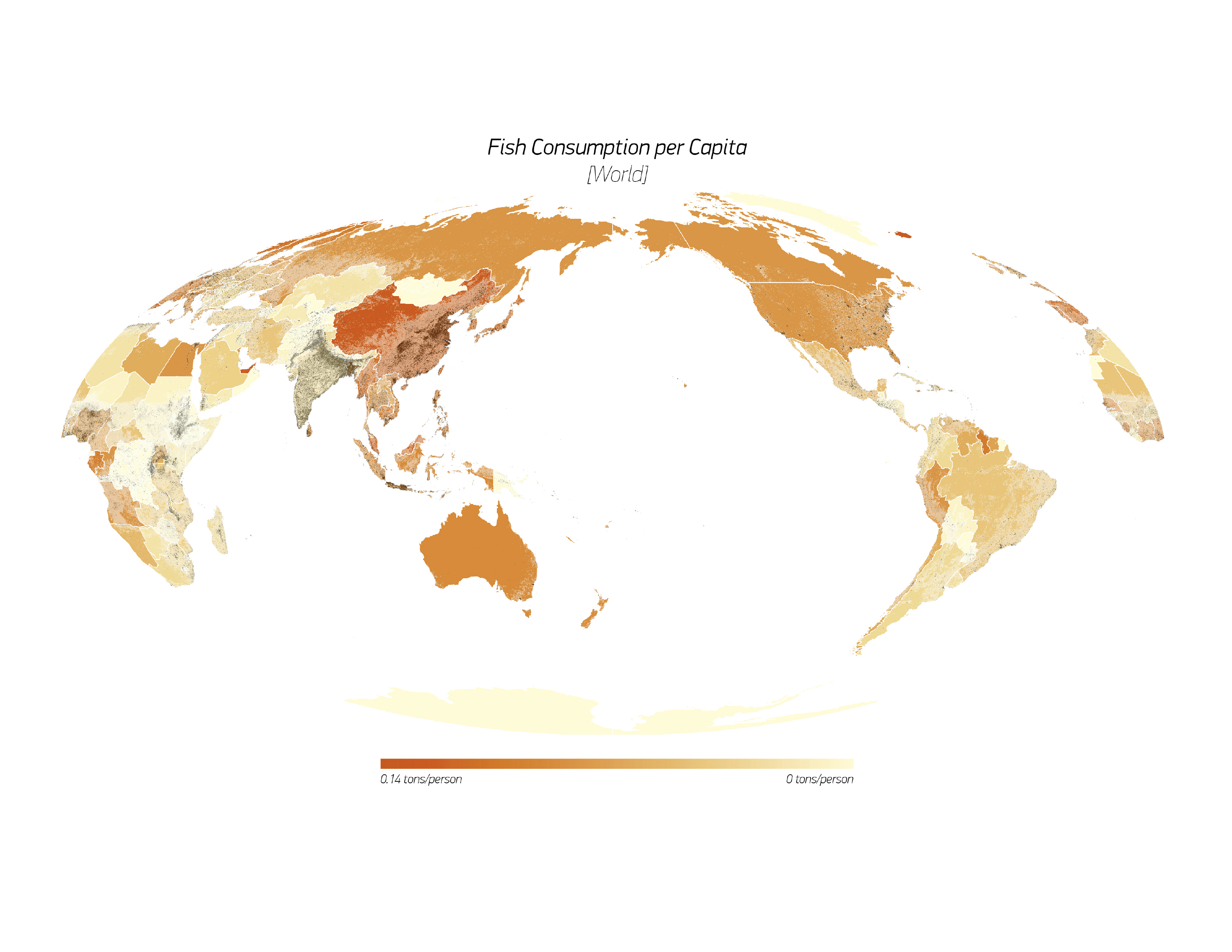
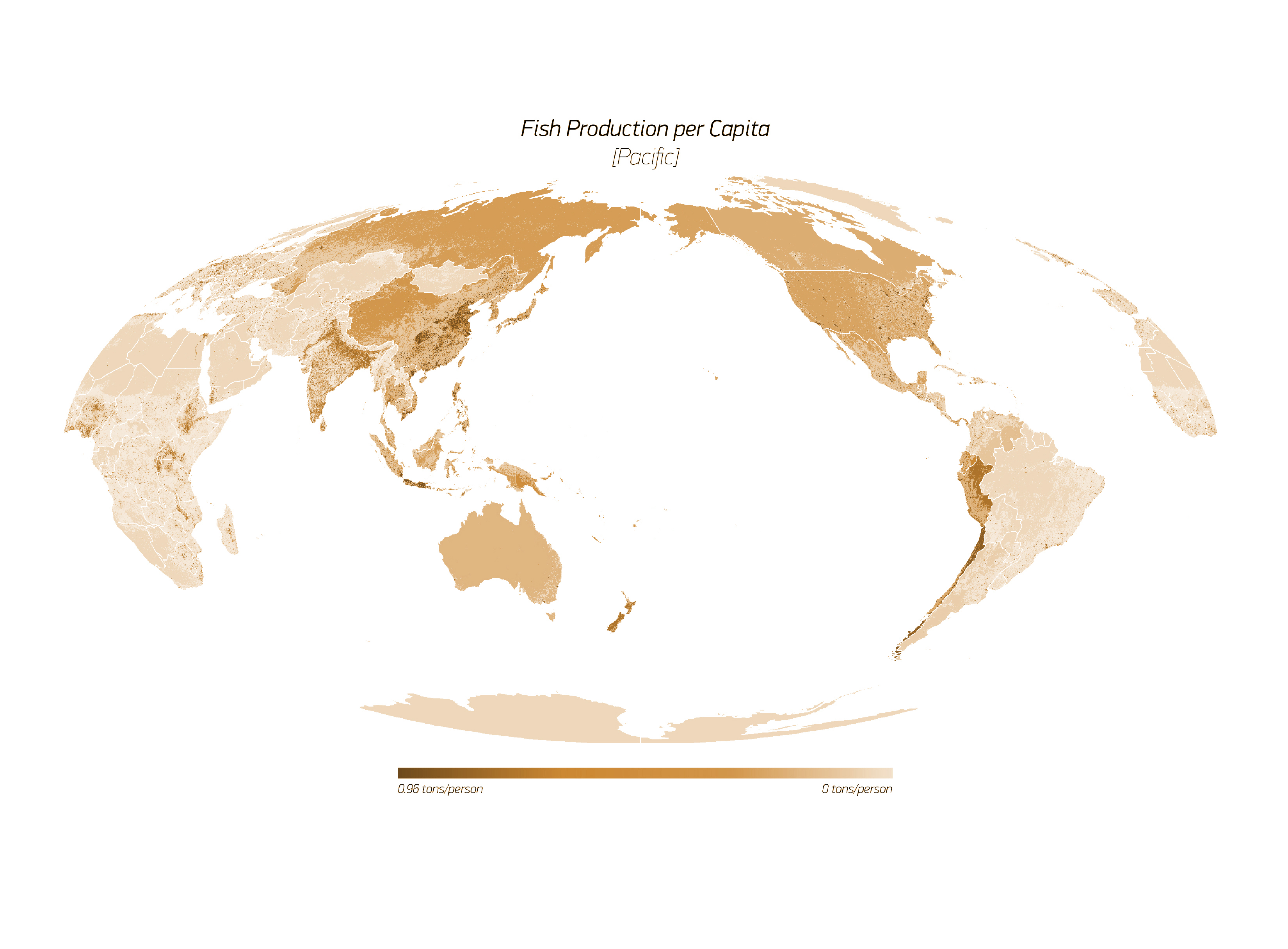
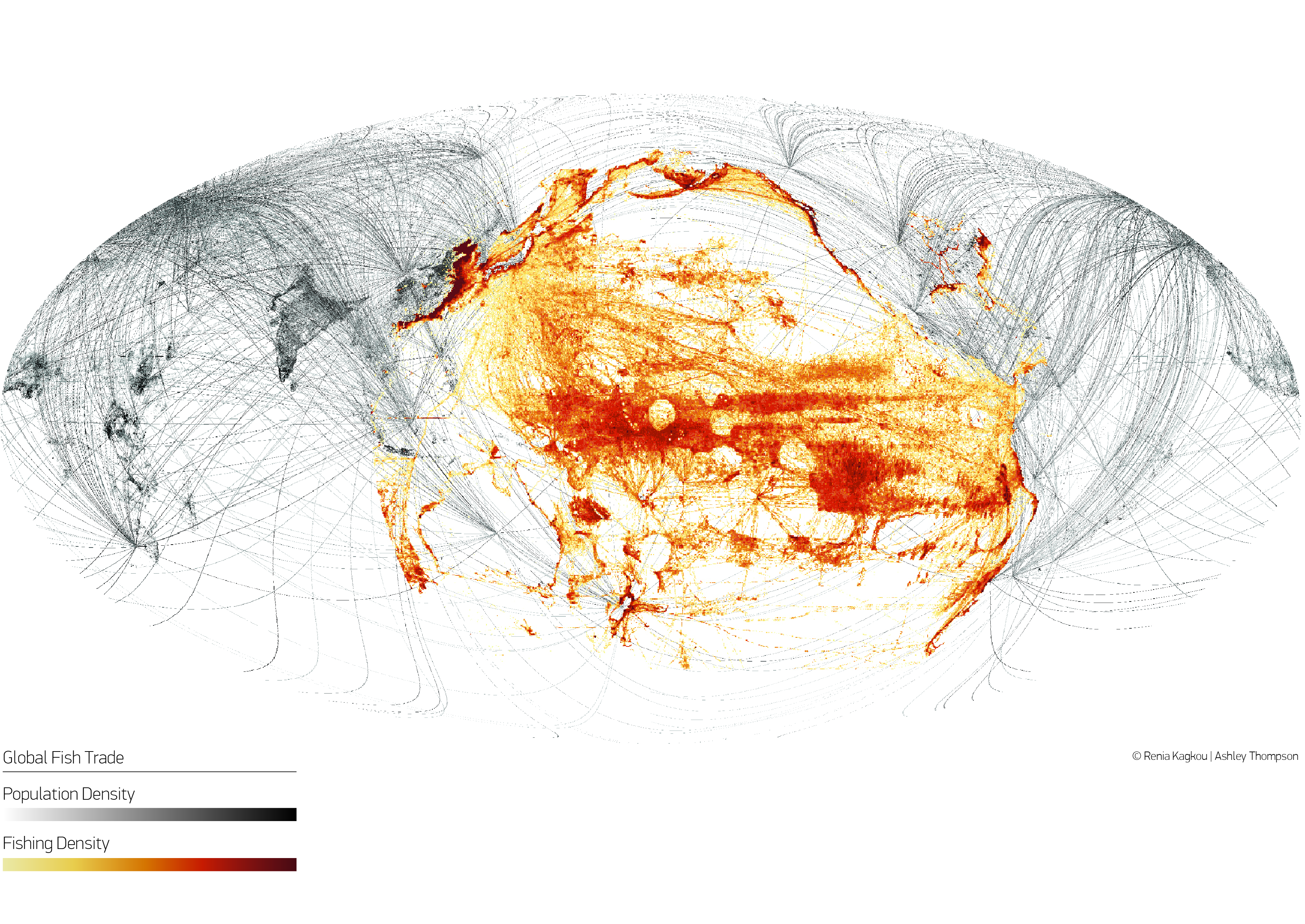
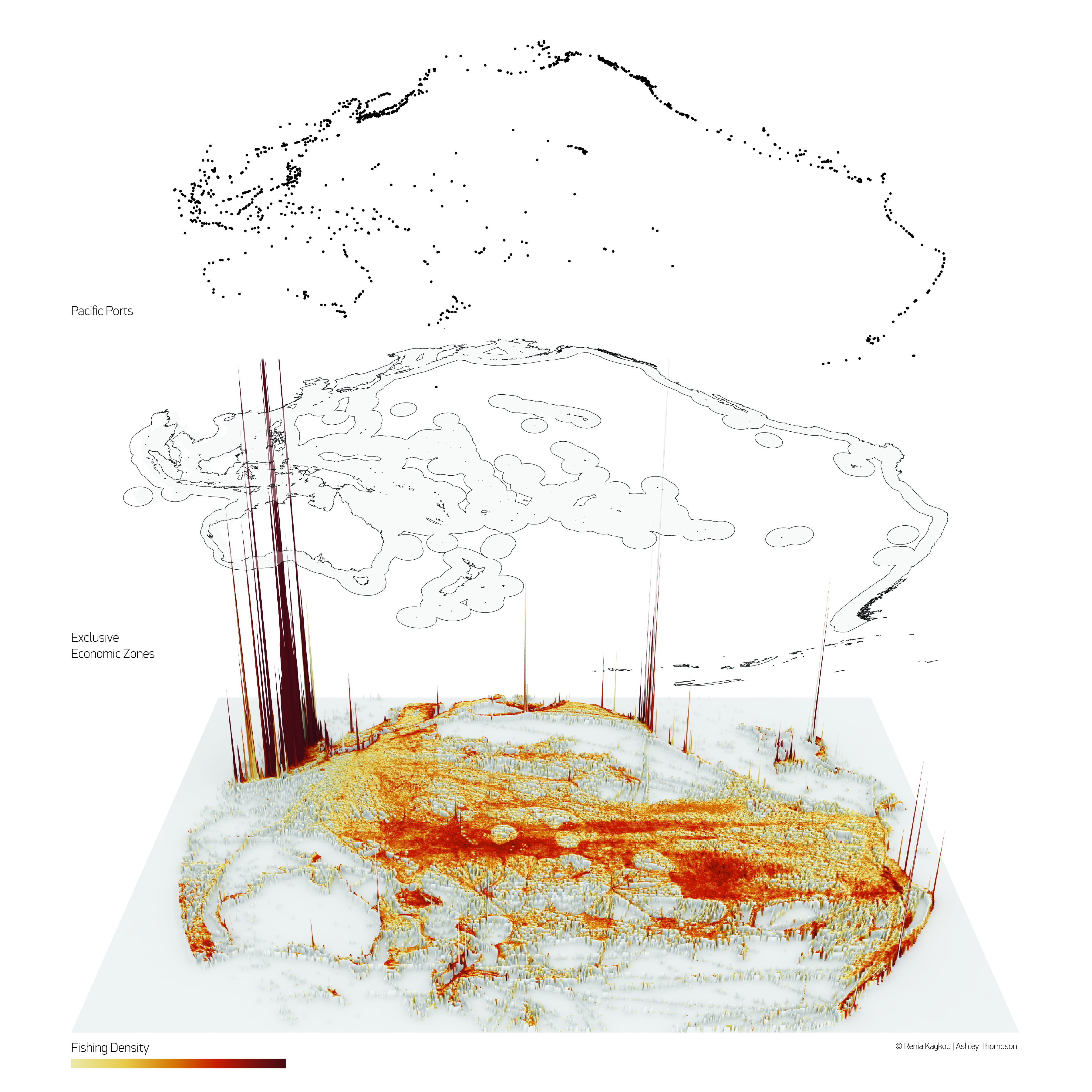
One of the only remaining ‘last frontiers’, the Pacific Ocean is a rare site in the 21st century still capable of supporting the exploration and appropriation of new territories and resources, what Moore terms ‘cheap nature’. Despite historic notions of a vast expanse of endless resource, the Pacific is in fact far from limitless.
Analyzing the reorganization of the ocean as an operational landscape, we identify processes of urbanization, and specifically the exploitation of wild food-source by the commercial fishing industry driven by capital accumulation, commodification, and privatization. The investigation reveals the intensification and connectivities of the fishing industry to the agglomerations in relation to territorial rights and competitive access to open-seas, patterns of regional and international trade, and the role of states versus operations of transnational corporations to include considerations of labor and technology. The intensification of these practices demonstrates how commercial fishing has been rendered disassociated both with supply and demands of food systems, but also from the resource base, the marine biomass itself. Instead, fishing industries and the regulatory and governance frameworks within which they operate are dependent on achieving economies of scale to secure projected assurances to fish, synonymous with present and future profit.
Furthermore, exploitative manipulation of these political and economic mechanisms are in fact jeopardizing access to and heath of wild fisheries with massive implications for the enduring stability of the Pacific Ocean as an future source of sustenance, livelihood, commerce, and culture.
Delineating the bounds of an increasingly limited ocean, the result of this diminutive dynamic will result in overcapitalization that sinks profits to satisfy endless capital investment as all other marine social and ecological resources are inversely depleted. Investing more and more for less and less, shoring up profit margins on speculation and intensification until the system collapses, long after all the wild fish are gone – the ultimate exhaustion of cheap nature.
Credits: Research Lab Affiliation: Urban Theory, Harvard Graduate School of Design
The project uses AIS transmission vessel data provided by navama® website: http://navama.com
 Renia Kagkou